Launch offer — valid today only

📄 Digital book in PDF · read it on your phone or print it

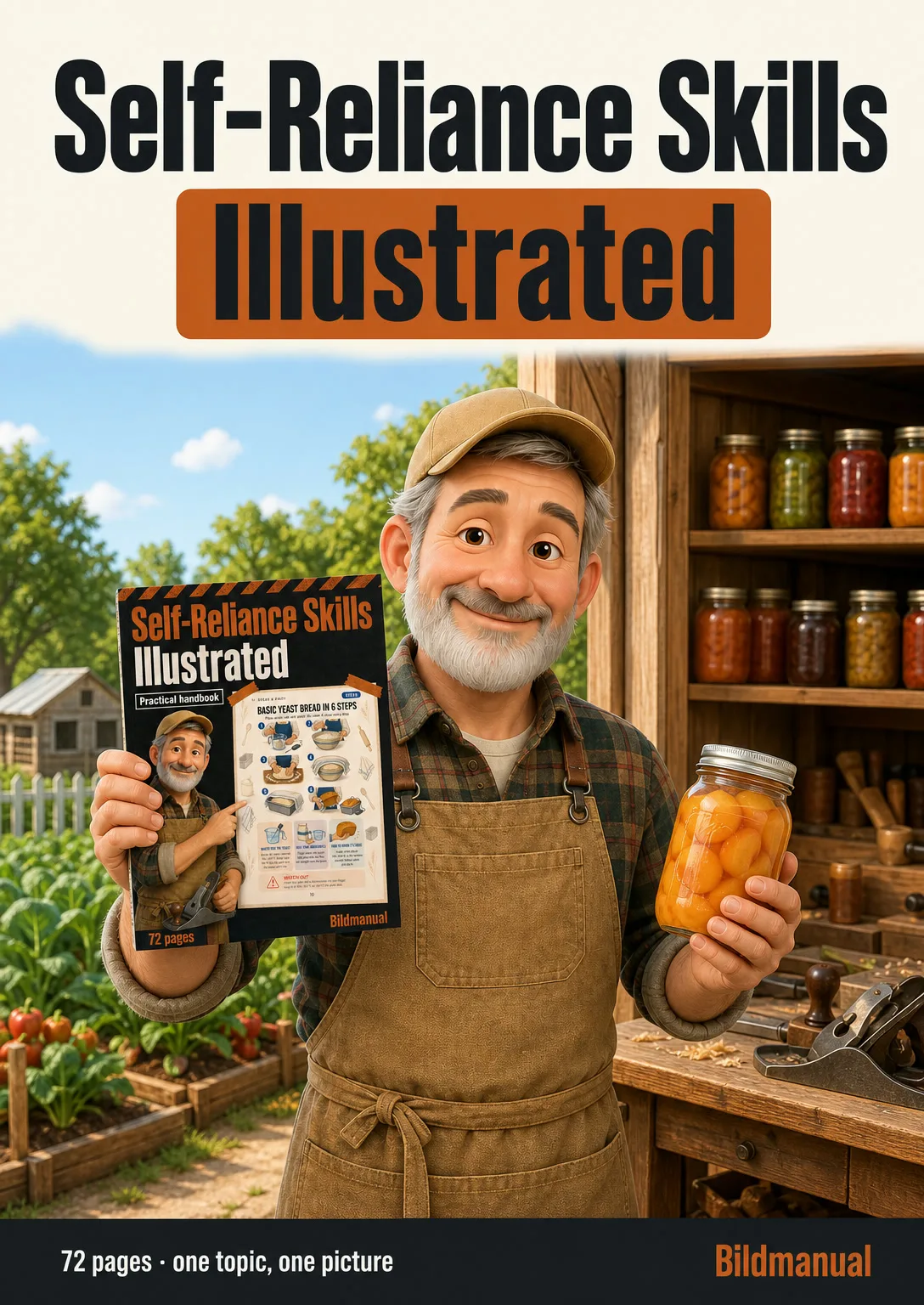
Homestead Skills in Drawings: Bake, Can, Mend and Fix It Yourself, One Page per Skill Every Step Drawn on One Card

Yeast bread, safe canning, frost dates, mending, knife sharpening, knots, shutoff valves and a safe campfire. Each topic has its own page: the drawing first, then what you need to remember. 72 illustrated pages.

YES, I WANT THE ILLUSTRATED BOOK

🔒 Secure checkout · PDF by email · 30-day guarantee

Every topic, its own pageEach skill drawn step by step, with the explanation right beside it
72 illustrated pages9 parts, from the starter tool kit to passing skills on to your grandkids
Up-to-date sourcesUSDA Complete Guide to Home Canning, USDA FSIS and CDC guidance
PDF by emailFormat

Look Inside the Book

Every page has a big drawing and a box with the temperatures, steps and safety rules you need to know:

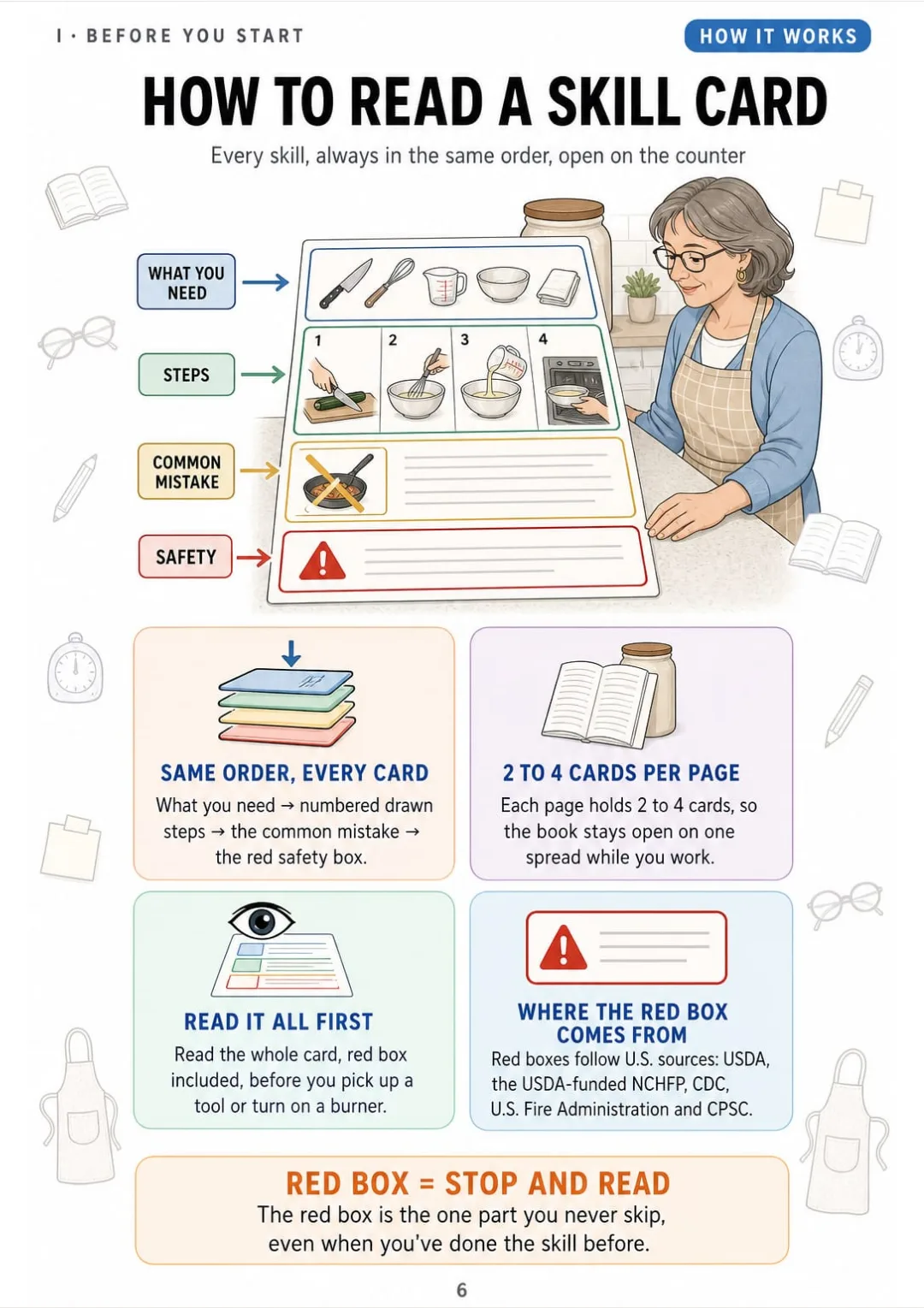
Same order on every card: what you need → steps → common mistake → red safety box
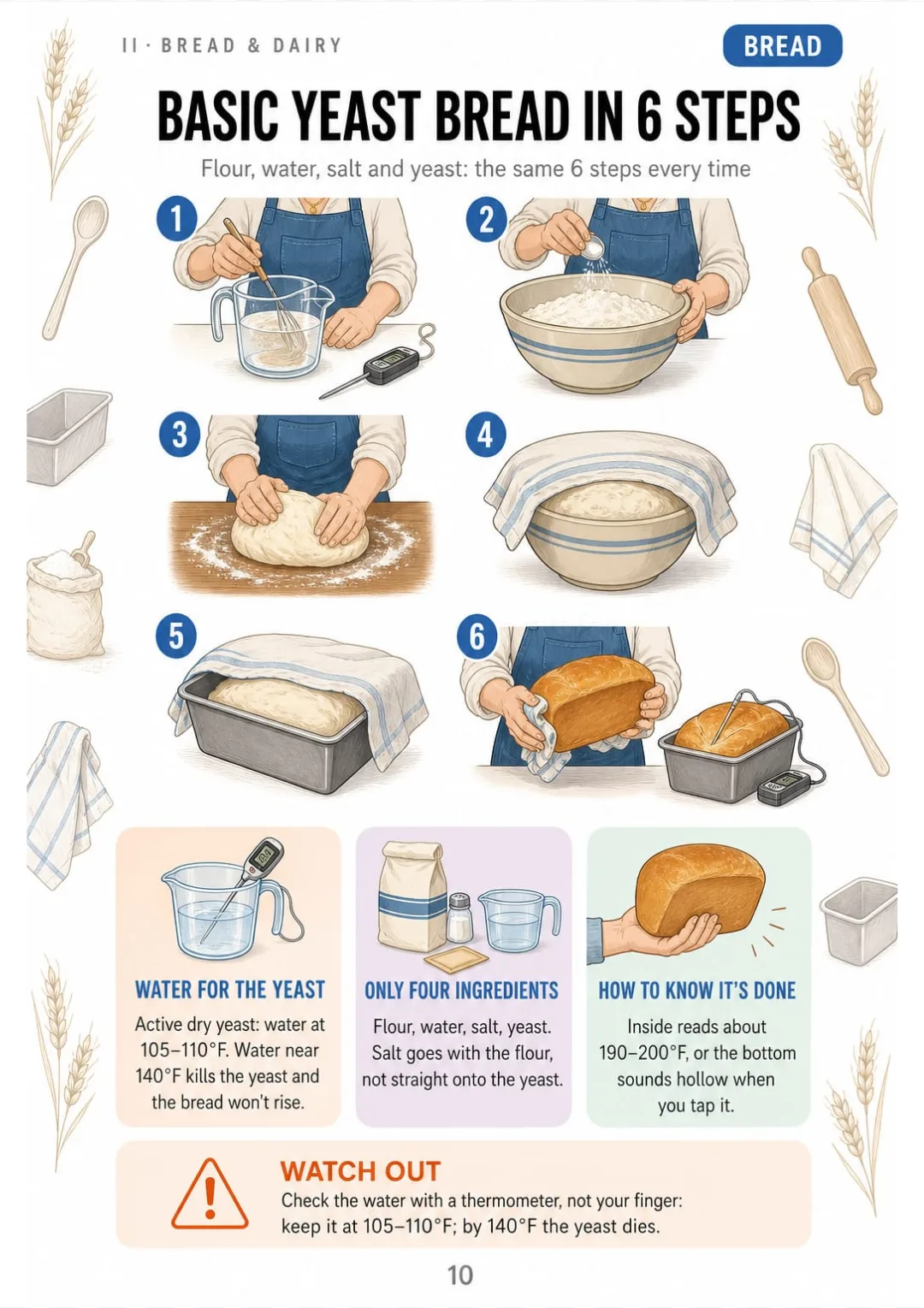
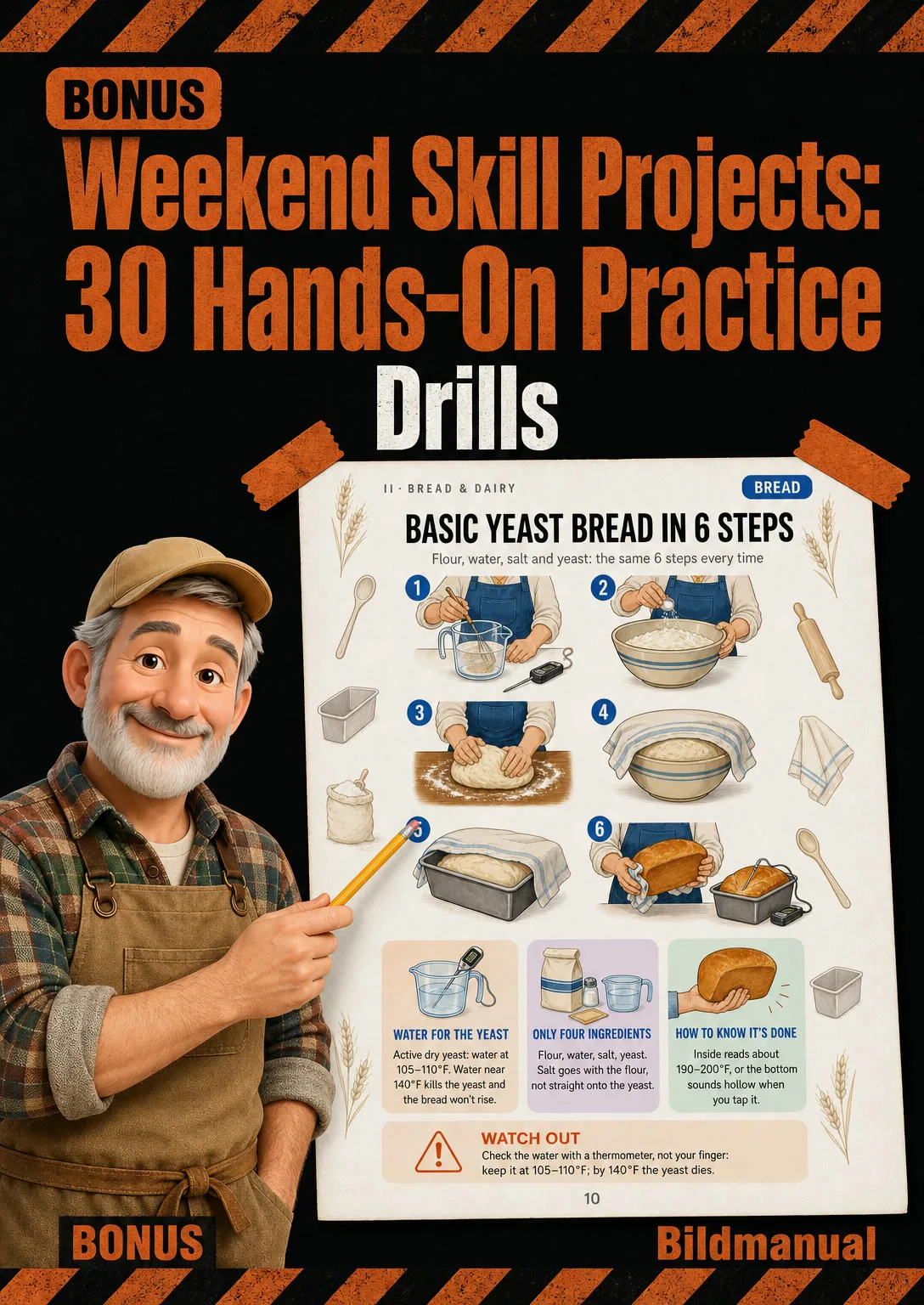
Yeast water at 105–110°F · done at 190–200°F inside
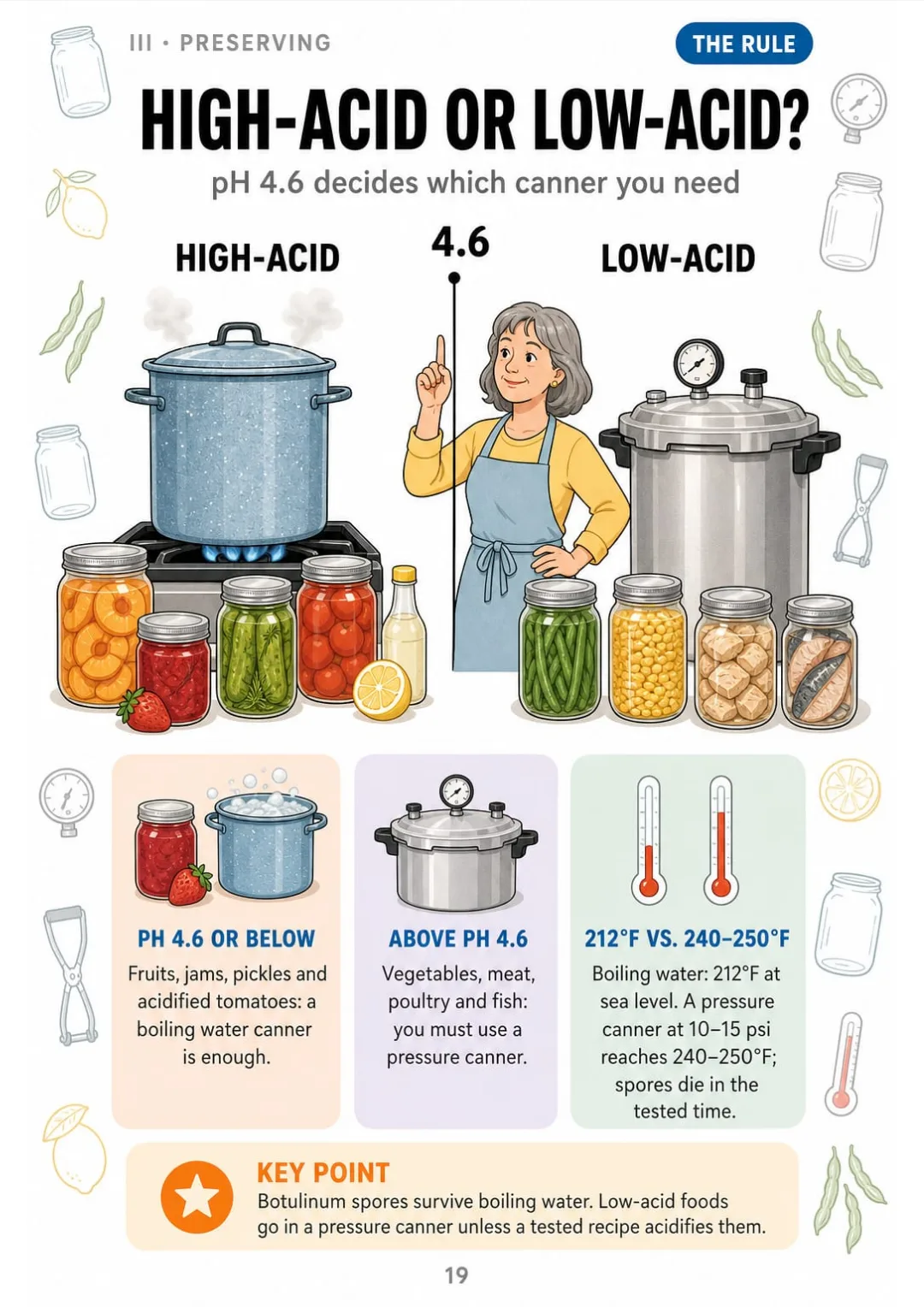
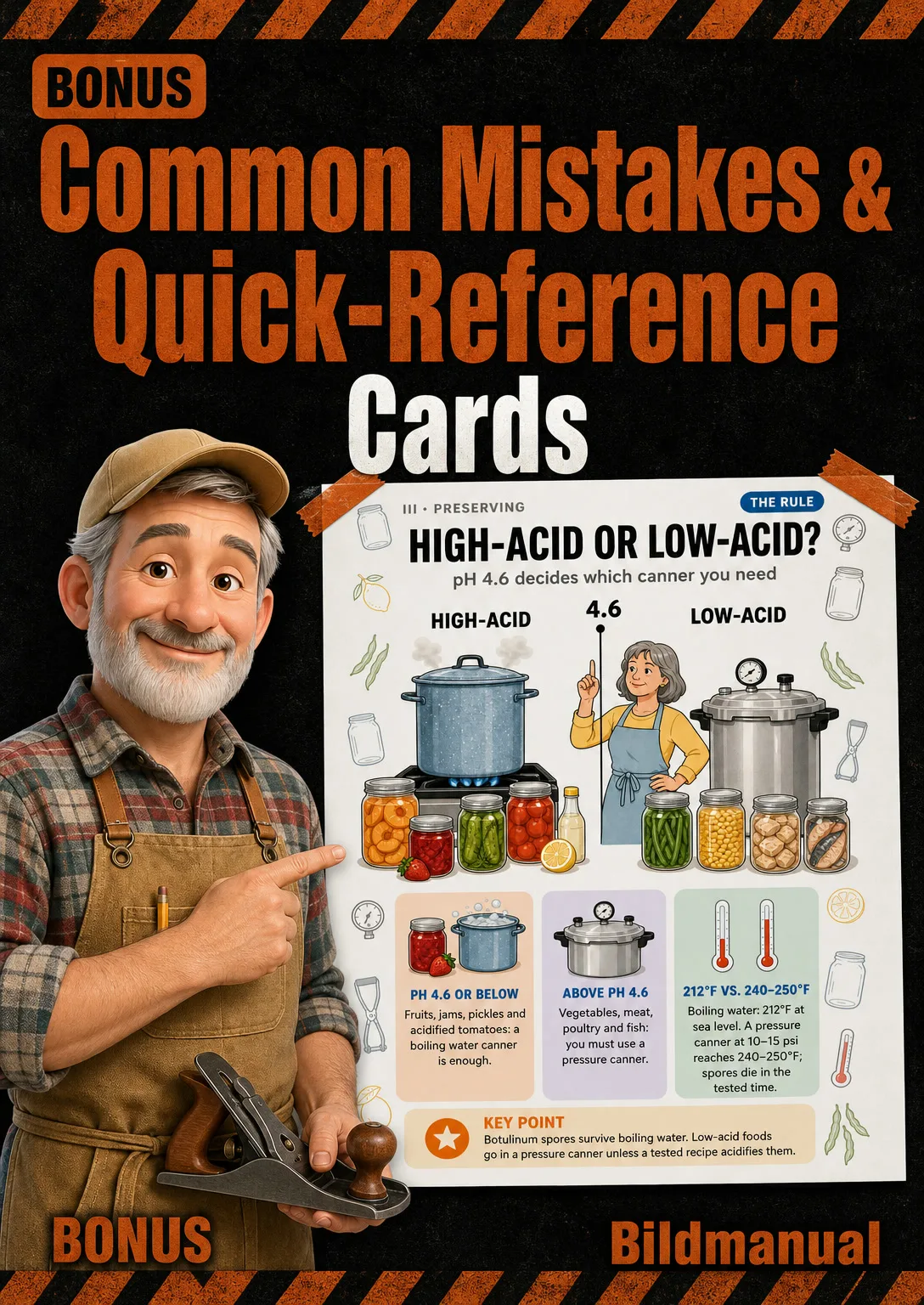
pH 4.6 or below: water bath. Above 4.6: pressure canner, 240–250°F.
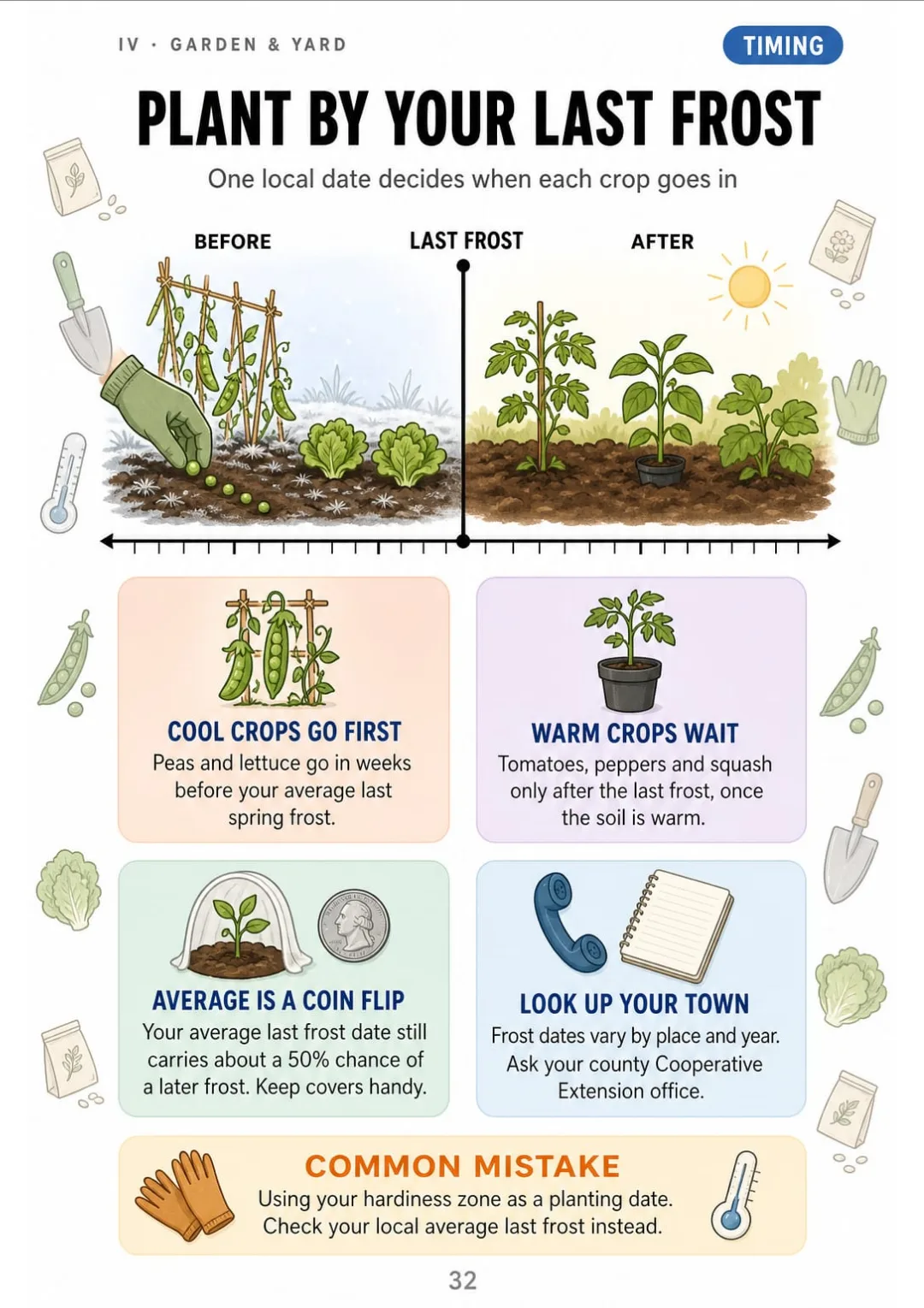
Peas and lettuce before the last frost; tomatoes, peppers and squash after it, in warm soil.
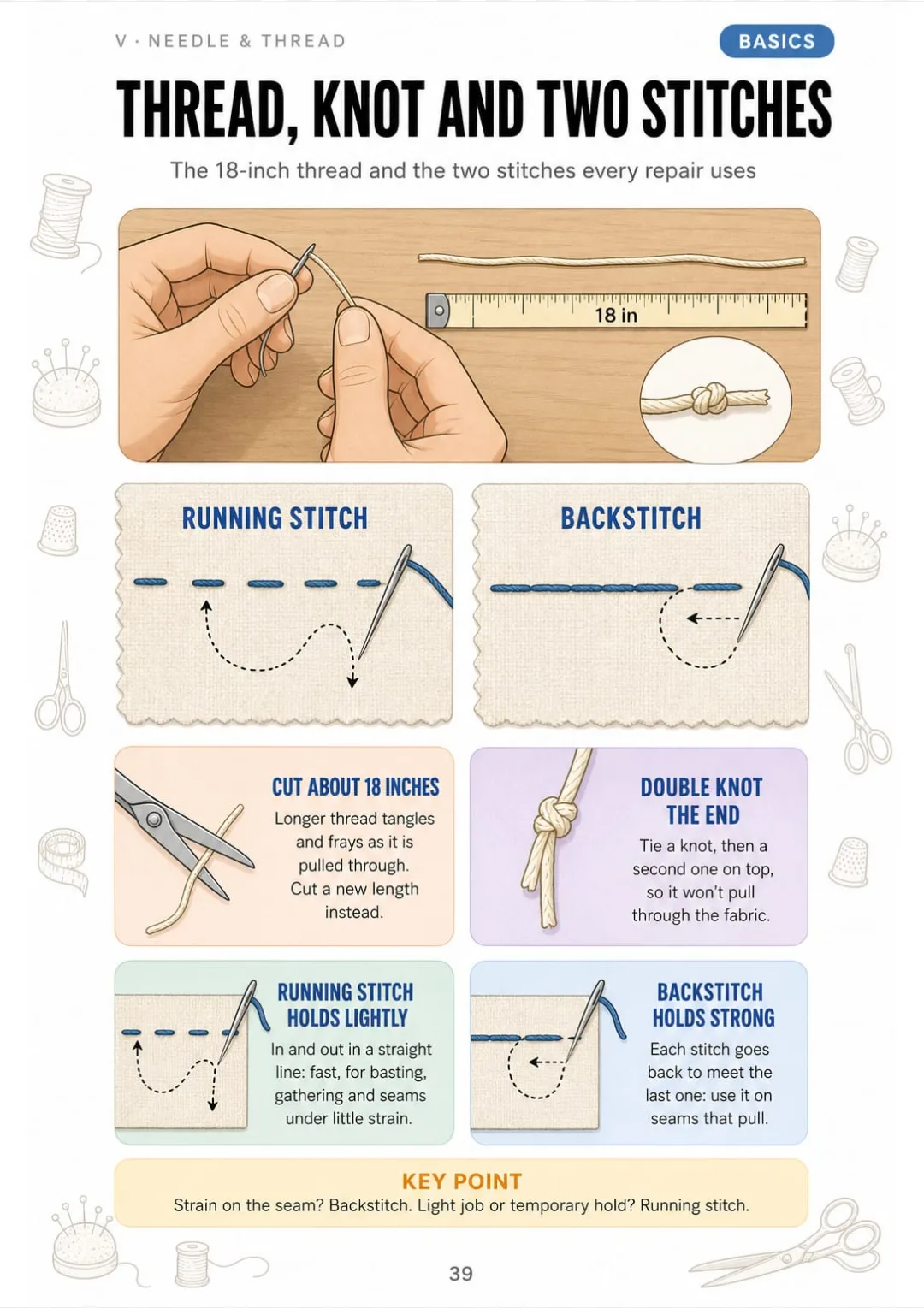
18 inches of thread, a double knot, and when to use running stitch vs. backstitch
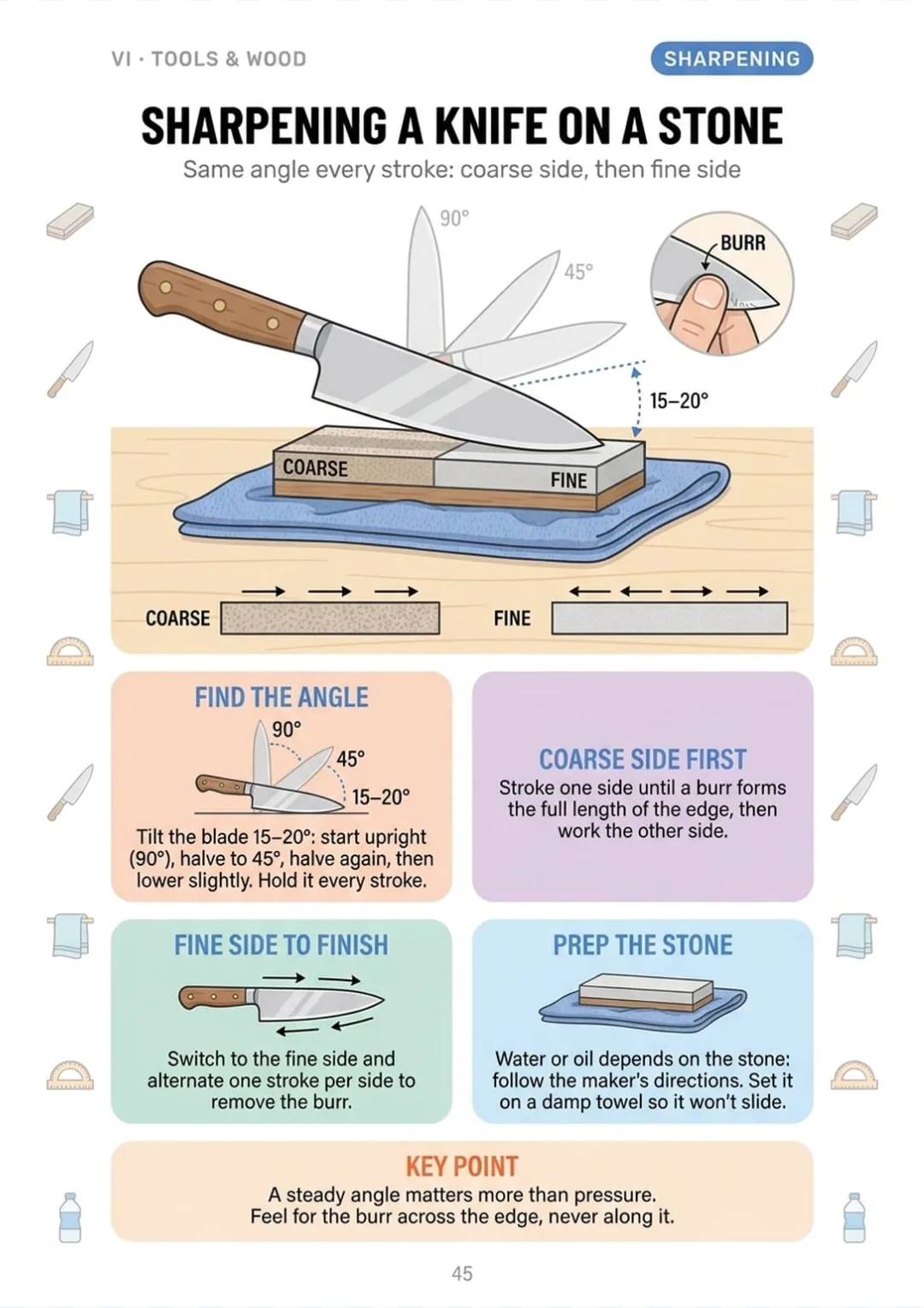
About 15–20°, coarse side until a burr forms, then fine side with alternating strokes
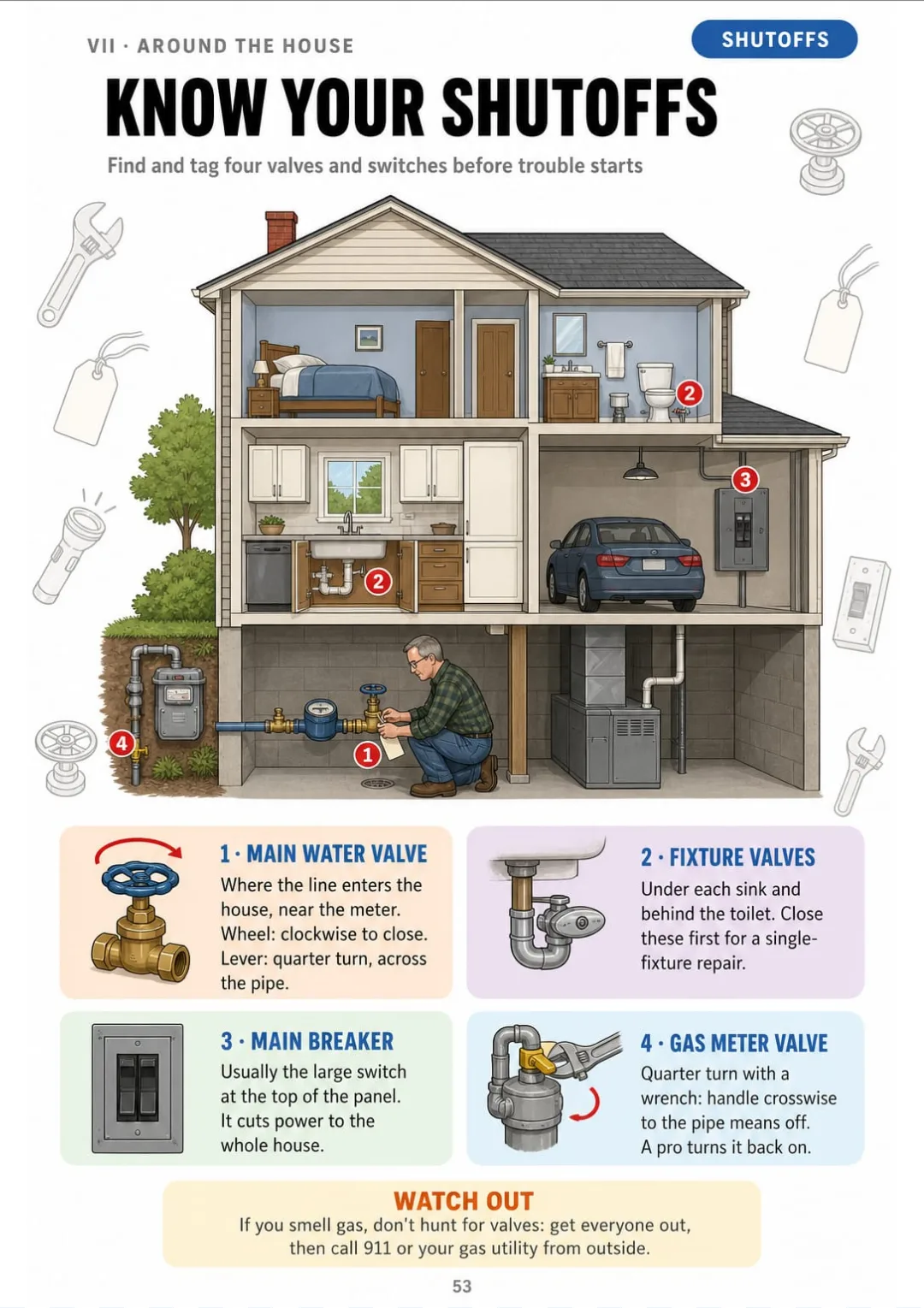
Main water, fixture valves, main breaker, gas meter: where they are and which way they close
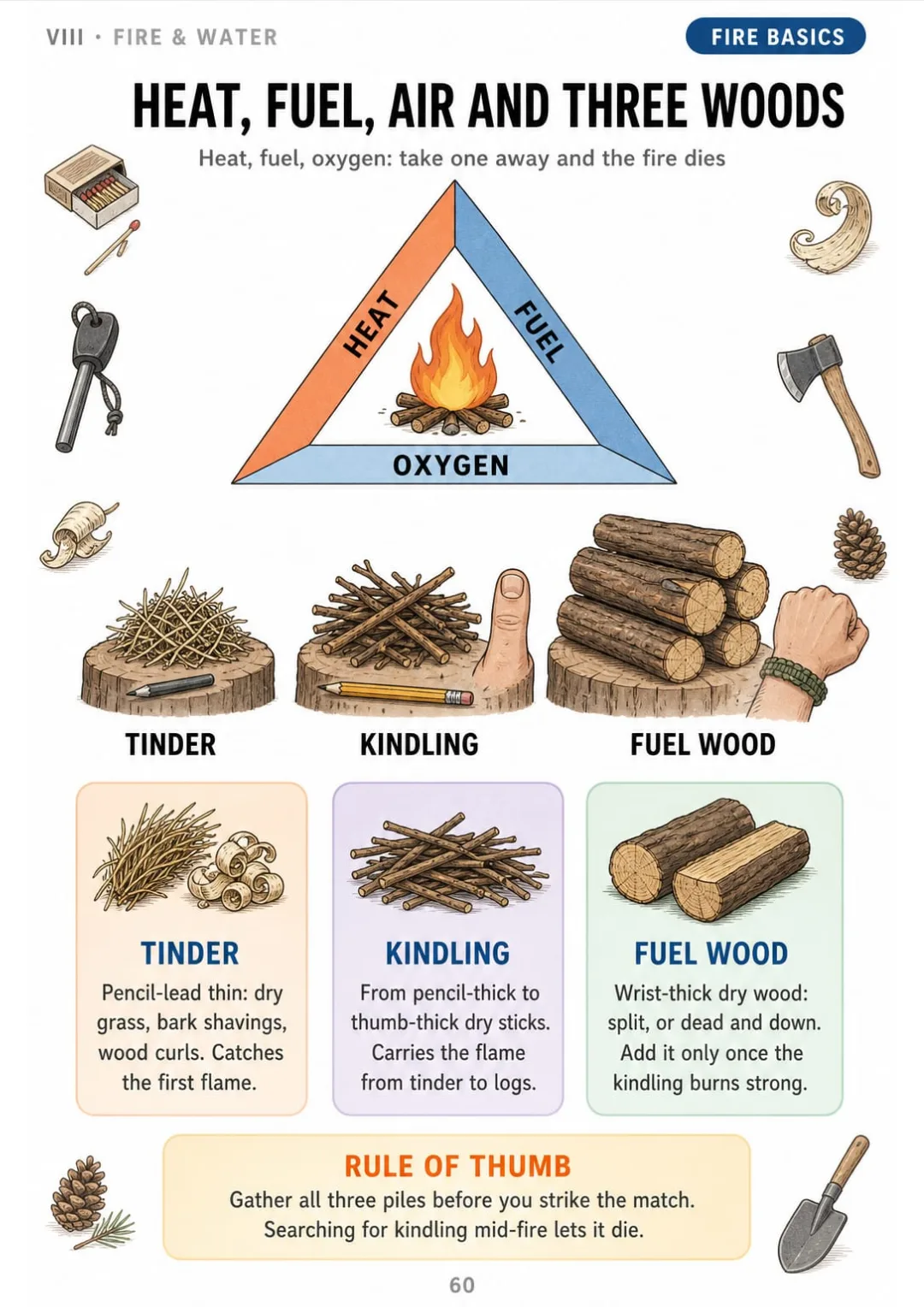
Tinder pencil-lead thin, kindling pencil to thumb, fuel wood wrist-thick: all three ready first.

Swipe to see more →

These are real pages from the book. The table of contents is the full one: 9 parts and 67 topics.

The Problem Isn't You. It's How It Was Explained to You.

It's late August. The counter is covered in green beans, your mother's canning pot is on the stove, and you stop: is a water bath enough for these, or not?

You look it up. The guide answers in long paragraphs about acidity, spores and processing temperatures, and three websites tell you three different things. The rule is in there, buried in words.

pH 4.6 or below: water bath. Above 4.6: pressure canner, 240–250°F.

In the book, that same question is one page, split in two. Fruit, jam, pickles and tomatoes with lemon juice added: water bath. Green beans, corn and meat are low-acid: pressure canner, at the pressure set for your altitude. One side, one method. No guessing.

Bread done at 190–200°F inside, the last frost date, a knife on the stone at 15–20°, the main water shutoff, a campfire that catches: each one has its own page too.

You look at the page, pick the method and start the batch with the book open on the counter, not a browser full of tabs.

COMPARE FOR YOURSELF

The Same Skill, Two Ways to Learn It

THIS
  • The manual: line after line
  • Kneading and rising explained only in words
  • You get to the oven still unsure
Active dry yeast should be rehydrated in water maintained between 105 and 110 degrees Fahrenheit, as temperatures significantly above this range may inactivate the yeast cells, while lower temperatures will considerably delay fermentation. Following the incorporation of flour and salt, the dough must be kneaded until sufficient gluten development has occurred, after which it is permitted to rise until approximately doubled in volume. The loaf is subsequently shaped, allowed a second rise, and baked until an internal temperature of 190 to 200 degrees Fahrenheit is achieved.
FOR THIS
  • Each bread step in a drawing
  • The temperatures in one box
  • You see it and you get it
Yeast water at 105–110°F · done at 190–200°F inside
CONTENTS

Take a Look at the 9 Parts and 67 Topics

Before you start, bread and dairy, preserving the harvest, garden and yard, needle and thread, tools and knots, fixing things around the house, fire and water, and review: 72 pages, all illustrated.

IBefore You Start · pp. 6-9
  1. How to Read a Skill Card
  2. The Starter Tool Kit
  3. Kitchen Measures at a Glance
  4. Find Your Altitude and Your Zone
IIBread, Butter & the Dairy Shelf · pp. 10-18
  1. Basic Yeast Bread
  2. Kneading and the Windowpane Test
  3. Sourdough Starter from Scratch
  4. No-Yeast Breads: Biscuits and Skillet Cornbread
  5. Butter in a Jar
  6. Homemade Yogurt
  7. Fresh Farmer's Cheese
  8. Rendering Lard and Clarifying Butter
  9. The Food Danger Zone
IIIPreserving the Harvest · pp. 19-31
  1. High-Acid vs. Low-Acid: The Rule That Picks the Method
  2. Jars, Lids and Headspace
  3. Water Bath Canning Step by Step
  4. Pressure Canning Step by Step
  5. Canning Tomatoes Safely
  6. Checking Seals and Storing Jars
  7. Old Methods Not to Use
  8. Quick Refrigerator Pickles
  9. Jam with Pectin and the Cold Plate Test
  10. Sauerkraut in a Crock
  11. Blanching and Freezing Vegetables
  12. Drying Herbs, Fruit and Jerky
  13. Root Cellar and Cool Storage
IVGarden & Yard · pp. 32-38
  1. Planting by Frost Date
  2. Starting Seeds Indoors
  3. Building a Raised Bed
  4. Composting Made Simple
  5. Watering the Right Way
  6. Saving Your Own Seeds
  7. Pruning and Caring for Garden Tools
VNeedle & Thread · pp. 39-44
  1. Threading, Knotting and the Running Stitch
  2. Sewing On a Button That Stays
  3. Hemming Pants by Hand
  4. Patching Jeans
  5. Darning a Sock
  6. Fixing a Split Seam and a Stuck Zipper
VITools, Knots & Wood · pp. 45-52
  1. Sharpening a Kitchen Knife on a Stone
  2. Sharpening an Ax and a Hatchet
  3. Five Knots That Do Most Jobs
  4. The Trucker's Hitch for Tying Down a Load
  5. Splitting Firewood Safely
  6. Using a Handsaw and a Hand Drill
  7. Basic Wood Joints
  8. Caring for Wooden Handles and Cutting Boards
VIIFixing Things Around the House · pp. 53-59
  1. Know Your Shutoffs
  2. Fixing a Leaky Faucet
  3. Stopping a Running Toilet
  4. Unclogging a Drain Without Chemicals
  5. Patching Holes in Drywall
  6. Resetting a Breaker and Testing a GFCI
  7. Squeaky Doors, Sticky Drawers and Loose Screws
VIIIFire, Water & When the Power Goes Out · pp. 60-67
  1. The Fire Triangle and the Three Woods
  2. Building and Putting Out a Campfire
  3. Using a Fire Extinguisher: PASS
  4. Making Water Safe to Drink
  5. Storing Water for Emergencies
  6. Generators and Carbon Monoxide
  7. Food in the Fridge During an Outage
  8. Old-Fashioned Lye Soap (Cold Process)
IXReview & Pass It On · pp. 68-72
  1. The Red Safety Boxes in One Page
  2. Most Common Mistakes, Chapter by Chapter
  3. Pantry and Tool Checklist
  4. Teaching a Skill to Kids and Grandkids
  5. Your Year of Skills

One Page, One Topic, All Clear

Think of it this way:

A storm knocks the power out and water starts creeping across the basement floor. You need the main water shutoff now, and you need to know which way it turns.

You open the book to Know Your Shutoffs and it's all drawn: main water, fixture valves, main breaker and gas meter, each with an arrow showing the way it closes.

18 inches of thread, a double knot, and when to use running stitch vs. backstitch

Same with sourdough starter, pressure canning, patching jeans, the trucker's hitch and making water safe to drink: each one on its own page.

Self-Reliance Skills Illustrated is 9 parts and 67 topics, all drawn, ending with the red safety boxes on one page, the most common mistakes and a year of skills to plan.

What you see drawn, you don't have to memorize.

What's Inside Self-Reliance Skills Illustrated:

Ipp. 6-9

Before You Start

How to read a skill card, the starter tool kit, kitchen measures and how to find your altitude and hardiness zone.

IIpp. 10-18

Bread, Butter & the Dairy Shelf

Yeast bread, kneading and the windowpane test, sourdough starter, biscuits and cornbread, butter, yogurt, farmer's cheese, lard and the food danger zone.

IIIpp. 19-31

Preserving the Harvest

High-acid vs. low-acid, jars and headspace, water bath and pressure canning, tomatoes, seals, old methods to skip, pickles, jam, sauerkraut, freezing, drying and cool storage.

IVpp. 32-38

Garden & Yard

Planting by frost date, starting seeds, raised beds, compost, watering, saving seeds and caring for garden tools.

Vpp. 39-44

Needle & Thread

Threading and the running stitch, buttons that stay, hemming by hand, patching jeans, darning socks, split seams and stuck zippers.

VIpp. 45-52

Tools, Knots & Wood

Sharpening a knife and an ax, five knots, the trucker's hitch, splitting firewood, handsaw and drill, wood joints and caring for handles and boards.

VIIpp. 53-59

Fixing Things Around the House

Your shutoffs, a leaky faucet, a running toilet, drains without chemicals, drywall patches, breakers and GFCIs, squeaks and loose screws.

VIIIpp. 60-67

Fire, Water & When the Power Goes Out

The fire triangle and three woods, a safe campfire, the PASS extinguisher steps, safe drinking water, water storage, generators and carbon monoxide, food during an outage and cold-process lye soap.

IXpp. 68-72

Review & Pass It On

All the red safety boxes on one page, common mistakes by chapter, a pantry and tool checklist, teaching kids and grandkids, and your year of skills.

At the end of the book: All the red safety boxes on one page, common mistakes by chapter, a pantry and tool checklist and a year-of-skills plan.
Plus: 2 Free Books

Weekend Skill Projects: 30 Hands-On Practice Drills

BONUS 1: «Weekend Skill Projects: 30 Hands-On Practice Drills»

Value on its own: US$ 17.90

Turns reading into doing: 30 short weekend projects, each with a materials list and a checklist, so you try every skill at least once.

Common Mistakes & Quick-Reference Cards

BONUS 2: «Common Mistakes & Quick-Reference Cards»

Value on its own: US$ 14.90

The most common mistakes that ruin a loaf, a batch of pickles or a patch, plus one printable card per chapter to tape inside a cabinet door.

Self-Reliance Skills Illustrated with 2 Free Books

  • Self-Reliance Skills Illustrated: 72 illustrated pagesUS$ 63
  • BONUS 1: Weekend Skill Projects: 30 Hands-On Practice DrillsUS$ 17.90
  • BONUS 2: Common Mistakes & Quick-Reference CardsUS$ 14.90
  • High-resolution PDF to printIncluded
Total value US$ 95.80
YOUR PRICE:
US$ 27
You save US$ 68.80
YES, I WANT SELF-RELIANCE SKILLS ILLUSTRATED FOR US$ 27

📄 This is a digital PDF book sent to your email: nothing is printed or shipped.

Secure purchaseEncrypted payment30-day guarantee

PDF by email: We email you Self-Reliance Skills Illustrated as a PDF, together with the two free books. It's a single payment: no installments, no extra charges.

Who This Book Is For

You're starting from zero

You're starting from zero

Every card opens with what you need and goes step by step, so your first loaf or your first patch has a clear order to follow.

You already can or garden

You already can or garden

The high-acid vs. low-acid page and the red safety boxes let you check your family recipes against current USDA home canning guidance.

You want to pass it on

You want to pass it on

Print a card, sit down with the kids or grandkids and do it together: bread, a button, a knot, a safe campfire.

Everything You Get Today

US$ 95.80US$ 27
YES, I WANT SELF-RELIANCE SKILLS ILLUSTRATED FOR US$ 27

📄 This is a digital PDF book sent to your email: nothing is printed or shipped.

30DAYS
GUARANTEE

30-Day Guarantee

Try Self-Reliance Skills Illustrated for 30 days, bonus books included.

We refund everything if the file won't open, if the book isn't what you see here, if you were charged twice or if the email doesn't arrive. Just email us.

You pay once. No subscriptions.

Frequently Asked Questions

Is it for me if I've never canned, baked bread or fixed a faucet?

Yes. Every card starts with what you need and walks through numbered, drawn steps, with the common mistake and the safety rule at the end. Nothing assumes you already know.

Where does the content come from?

Canning steps follow the USDA Complete Guide to Home Canning (2015 rev.) and the National Center for Home Food Preservation; food temperatures follow USDA FSIS; drinking water and carbon monoxide follow CDC guidance; planting follows the USDA Plant Hardiness Zone Map.

Is it official material?

No. It's an independent illustrated book. It is not published, reviewed or endorsed by the USDA, the CDC or any other agency.

Does it replace a class or a professional?

No. It's learning material. It doesn't replace a hands-on class, a licensed plumber or electrician, your gas company or medical advice. If you smell gas, leave the house and call the gas company.

Is the canning current, or the old family way?

Current. Canning follows the USDA Complete Guide to Home Canning (2015 rev.). One page shows the old methods to skip, like open-kettle and oven canning, and why. The 30 weekend projects were written for this book, not for any course.

When and how do I get it?

As a PDF by email, sent to the address you enter at checkout. The 2 bonus books come the same way.

Do I have to pay every month?

No. It's a one-time payment. No subscription.

Can I have it on paper?

It's a PDF, not a printed book: nothing is mailed. It's made to print at home or at a print shop, so you can keep the cards in a binder or tape one inside a cabinet door.

How does the refund work?

You have 30 days. We refund everything if the file won't open, if the book isn't what you see on this page, if you were charged twice or if the email doesn't arrive: just email us.

Before You Close This Page

No more rereading pages that don't stick.

High-acid or low-acid: you see it drawn and that's it.

You start every batch and every repair knowing where each step is.

Drawings make studying faster.

The book is right below.

One-time payment: US$ 27 · Guarantee: 30 days · PDF by email

YES, I WANT SELF-RELIANCE SKILLS ILLUSTRATED FOR US$ 27

📄 This is a digital PDF book sent to your email: nothing is printed or shipped.